
Interplanetary Life 2026

Updated: Oct 1

Interplanetary Life 2026 - March of the Robots explored some of NASA's most important robotic exploration missions. These robots are delivering groundbreaking science and demonstrating technological innovation, but ultimately, they are lighting the way for human exploration, for interplanetary life... human life.

iLife 2026 experts and leaders covered some of NASA's most important robotic exploration missions, including Flagship missions such as the Roman Space Telescope, Europa Clipper, and Perseverance Rover.

These missions involve delivering the most advanced space telescope in history, the largest NASA spacecraft ever built to the ocean world Europa, and the longest surface traverse in history to date by a nuclear-powered rover in the search for life on Mars.

iLife also explored NASA Discovery missions Psyche and the innovative New Frontiers mission Dragonfly. Psyche has already delivered first-of-its-kind technological innovations and technology demonstrations such as Hall effect thrusters for propulsion and the Deep Space Optical Communications (DSOC) technology demonstration. DSOC demonstrated laser communications as a potentially significant leap in space communications. Psyche will investigate the potential core of a planet, another historic first.

In 2028, the launch of Dragonfly will send the first nuclear-powered octocopter in history to Titan, a moon of Saturn. Dragonfly will autonomously identify its own landing zones as it explores Titan's surface during this groundbreaking mission. Titan is unique as the only celestial body in our solar system other than Earth with liquid on its surface.
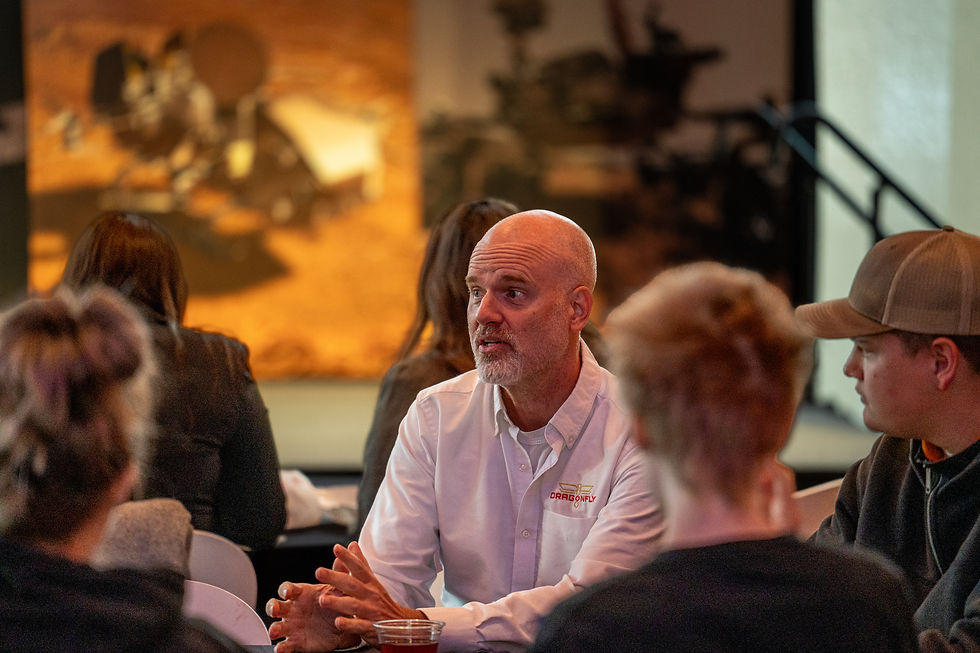
While mission leaders covered these groundbreaking robotic explorers, guests also heard directly from a space exploration industry career panel.
This year's event spanned panelists' personal journeys from average person to a career in space exploration. Panelists from United Launch Alliance, Stoke, Johnson Space Center, Jet Propulsion Laboratory, and NASASpaceflight shared their unique paths to the industry.
Their careers across already filled with significant accomplishments spanning Mission Management, Propulsion Design, Human Life Support Systems, Robotic Exploration, and last but not least, space industry Media coverage and production.
iLife 2026 highlighted critical NASA missions providing essential innovation and historic exploration achievements on the path to establishing an enduring human presence beyond Earth.
Stay tuned for iLife 2027!


